Hidden among the cottonwoods along the lower Babocomari River was a beaver pond surrounded by lush wetland vegetation. We stood quietly taking in a scene that is hard to imagine in this arid landscape: a pool of water spreading across the floodplain, a stand of cattails, and unmistakable signs of active beavers. As people witnessed fresh chew marks on trees and dams that slowed and spread water across the channel, the group fell quiet, and their faces filled with awe.
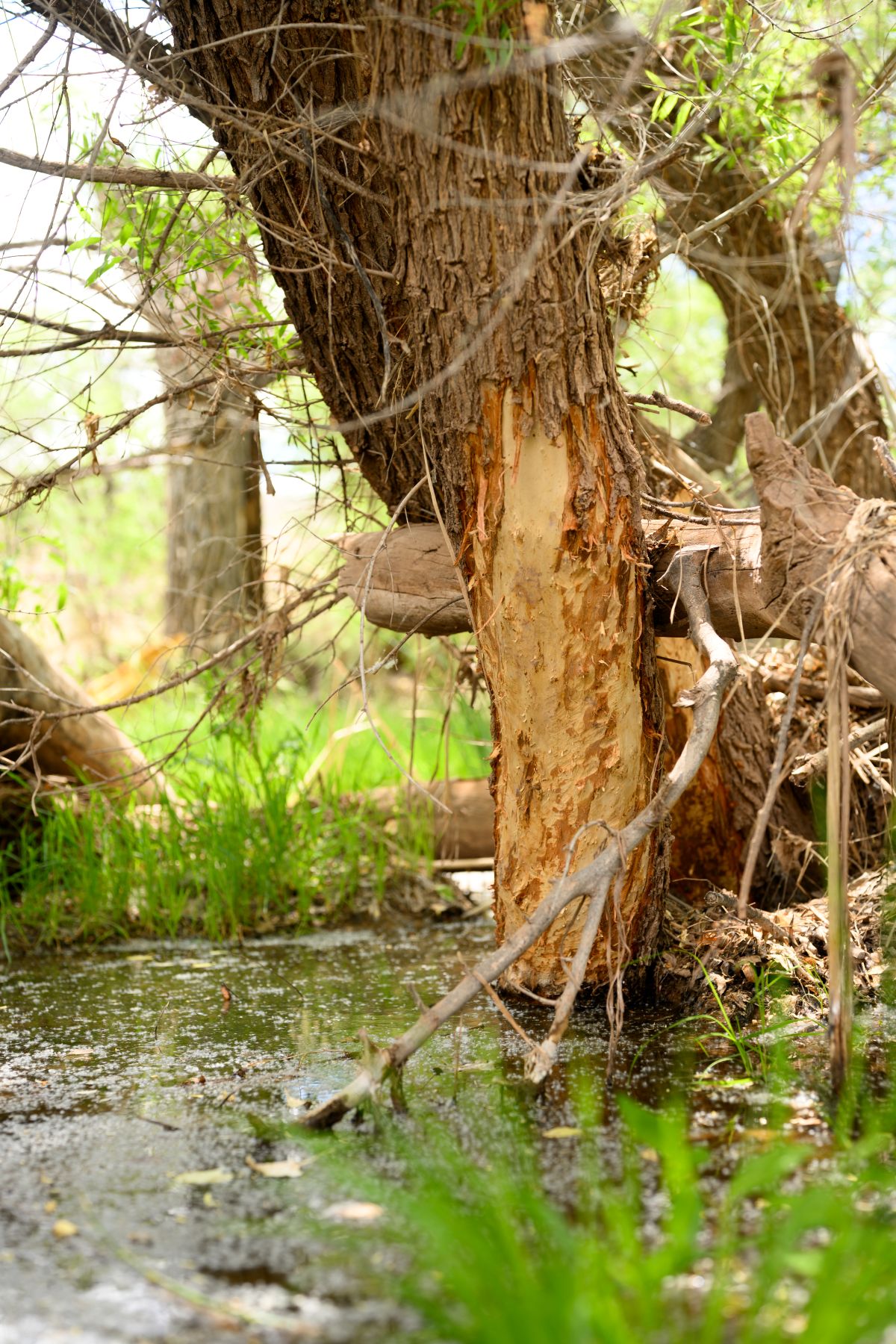
As the lead coordinator, much of my attention leading up to this workshop had been focused on logistics planning and keeping the day on track. Those concerns quickly disappeared at the pond. I had almost forgotten how magical it was to see and to understand what a thriving beaver pond looks like. Watching workshop participants experience that same sense of wonder reminded me that creating opportunities to share knowledge is just as important as doing the restoration work.
This special moment occurred during Watershed's Riparian Restoration Knowledge Exchange workshop along the lower Babocomari River, where Tribal environmental and natural resource professionals gathered for a day of shared learning, hands-on training, and relationship-building. The exchange highlighted Watershed's restoration work in partnership with private landowners and explored the important role beavers play in restoring healthy riparian ecosystems.
Nine staff members from Tribal environmental and natural resource departments attended, including practitioners from the San Carlos Apache Tribe, Salt River Pima Maricopa Indian Community, Tohono O'odham Nation, and the San Xavier District of the Tohono O'odham Nation. Participants joined Watershed staff to visit restoration sites and explore low-tech process-based restoration (LTPBR) techniques. LTPBR is a method of restoring degraded ecosystems by building hand-built structures using locally available natural materials.
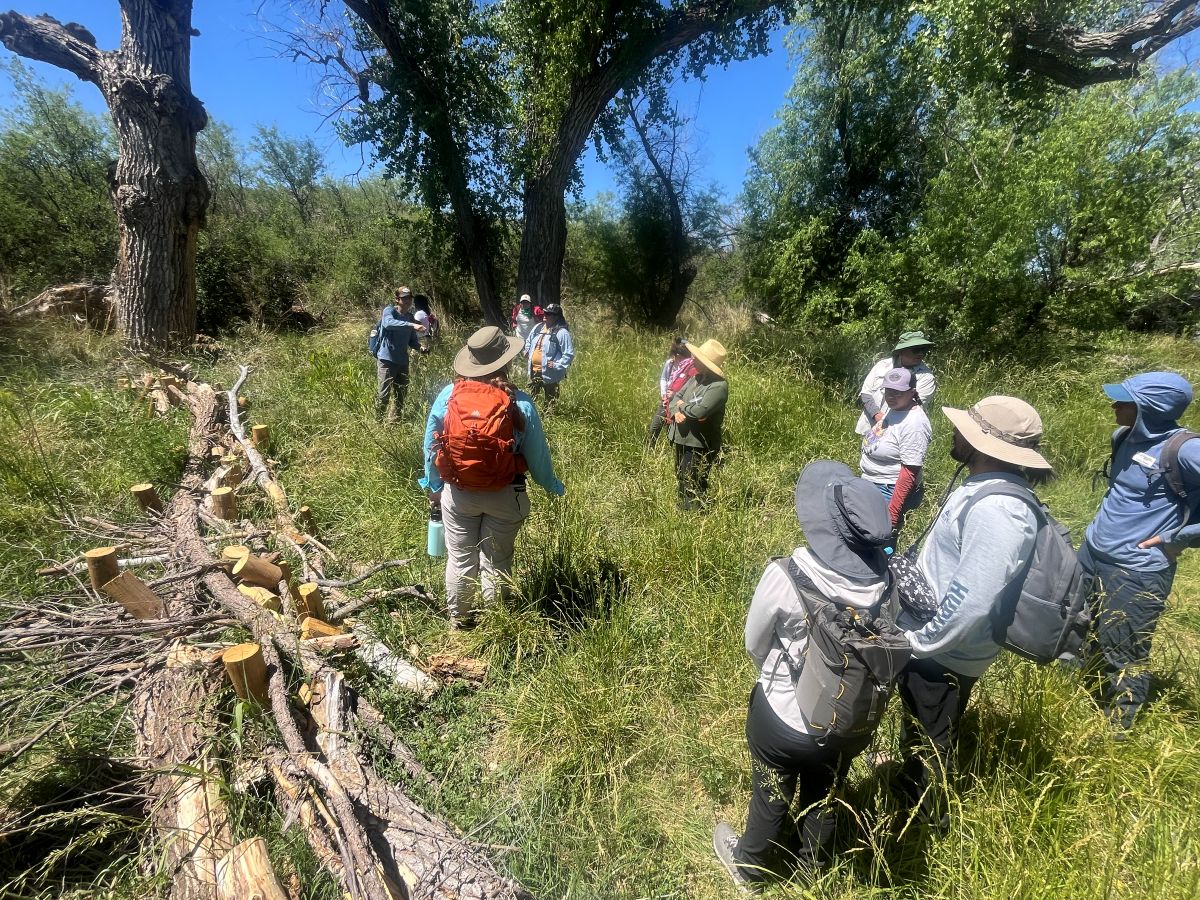
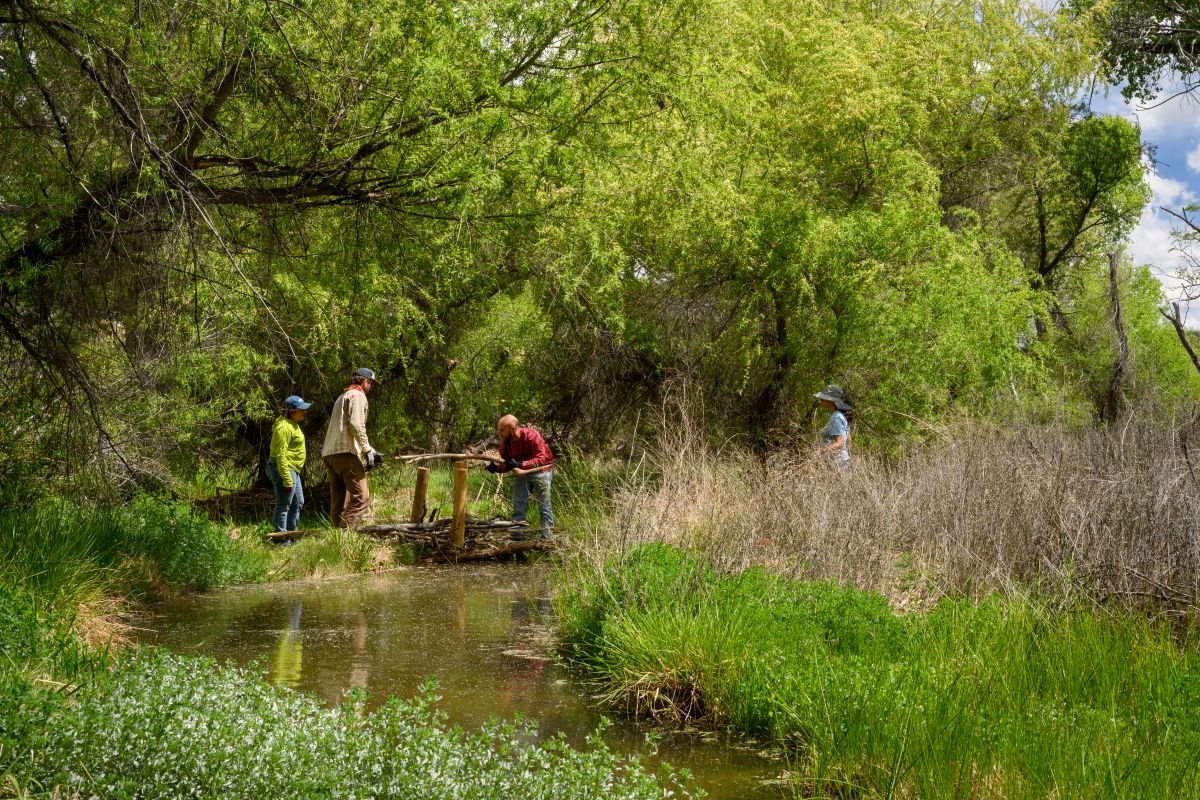
Participants had the chance to see LTPBR examples in action as they toured beaver dam analogs, structures that mimic beaver dams by slowing water, capturing sediment, and encouraging native vegetation. Watershed staff shared lessons from planning, installing, and monitoring these structures while participants exchanged experiences managing natural resources on Tribal lands.
As we walked along the water's edge near the thriving beaver pond, one participant paused to take in the pond's surprising width and depth. Seeing the pond firsthand helped them realize that wetlands they had encountered elsewhere were likely beaver habitat. Later, after we had gathered branches and woven them between hand-driven posts to build a beaver dam analog, another participant remarked that the experience gave them a newfound appreciation for how beavers accomplish the same work so naturally and make it look easy.
The idea for this knowledge exchange had emerged through conversations within the Arizona Beaver Working Group, a collaborative network that Watershed helped initiate. This group brings together practitioners and organizations working on habitat restoration, beaver coexistence, workforce development, education, and policy. As the group has grown, one insight has become increasingly clear: meaningful collaboration with Tribal Nations is essential to advancing beaver restoration and stewardship across Arizona.
Arizona is home to 22 federally recognized Tribal Nations, and Tribal lands comprise approximately one-quarter of the state's land area. Tribal Nations hold authority and responsibility for managing wildlife and natural resources on their lands. Tribal leadership, stewardship practices, and ecological knowledge are critical to restoration efforts across the region.
This importance is reflected in recent actions by the Tohono O'odham Nation and the San Carlos Apache Tribe, whose Tribal Councils passed resolutions declaring the San Pedro Watershed a historic property of traditional cultural significance and requesting formal consideration for inclusion in the U.S. National Register of Historic Places. These resolutions recognize the San Pedro Watershed as an interconnected cultural landscape shaped by Indigenous history and stewardship. The watershed contains thousands of documented cultural sites, springs, perennial river flows, travel routes, gathering areas, and significant landforms that continue to support and sustain Indigenous communities today.
The knowledge exchange demonstrated that restoration is about more than building structures in stream channels. It is about building relationships rooted in mutual respect. By learning together on the landscape, we strengthened connections that will support the long-term health of Arizona's rivers, wetlands, wildlife, and communities.
Reflecting on the workshop, I feel a deep sense of pride in helping create a space where Tribal environmental professionals and Watershed staff could learn from one another and build relationships that might not have formed otherwise. As a young Diné professional, one of the most meaningful parts of the day was seeing Indigenous and non-Indigenous practitioners come together around a shared commitment to caring for the land.
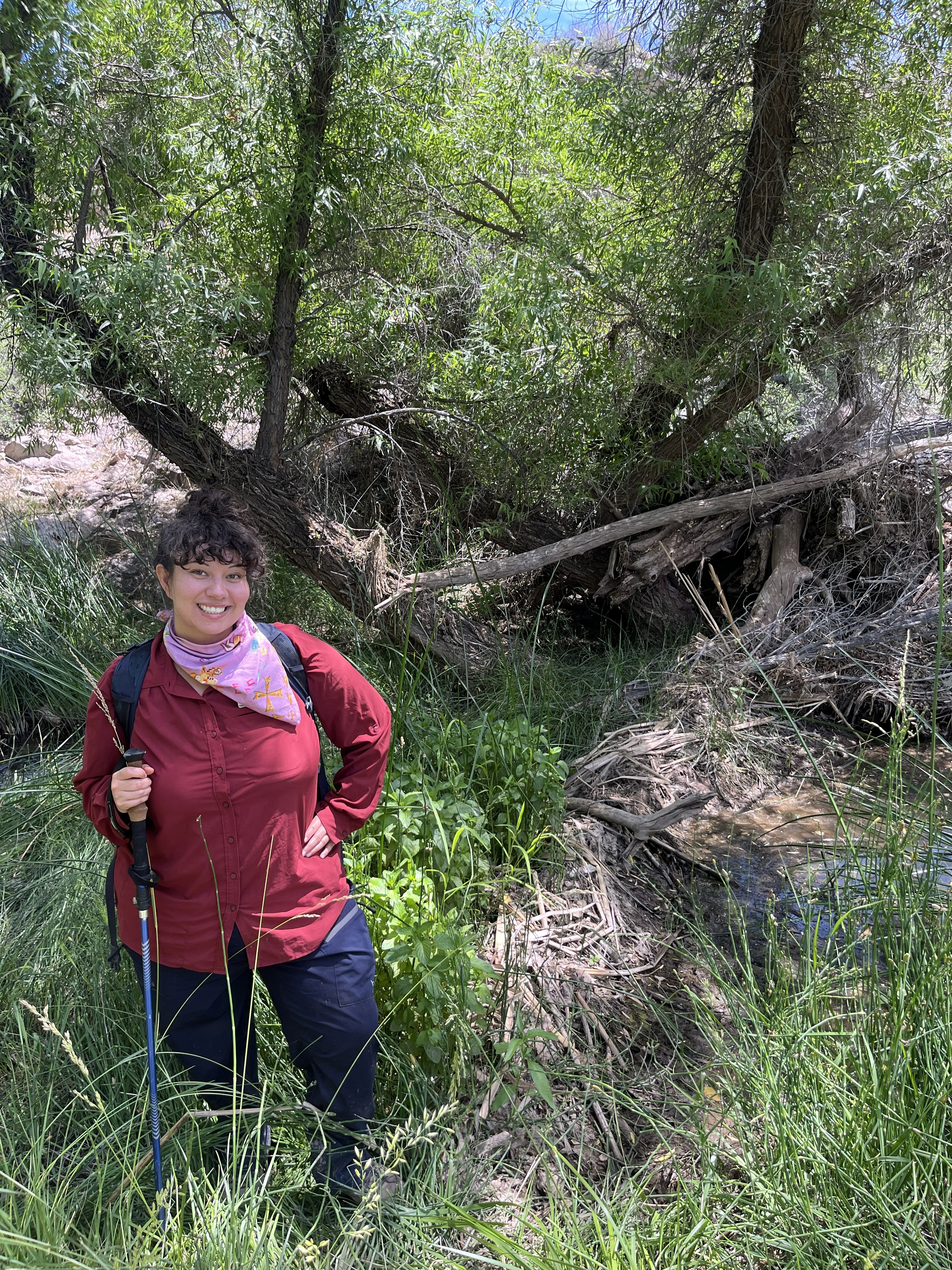
The relationships formed along the Babocomari River are only the beginning, and I hope they continue to grow into lasting partnerships that support restoration, stewardship, and shared learning across the region for years to come.
We are grateful for the support for this knowledge exchange, Statewide Beaver Working Group, and lower Babocomari restoration work who included Defenders of Wildlife, National Fish and Wildlife Foundation, U.S. Fish & Wildlife Service Partners for Fish and Wildlife Program, the Arizona Department of Environmental Quality, and The Nature Conservancy-Tucson Chapter.