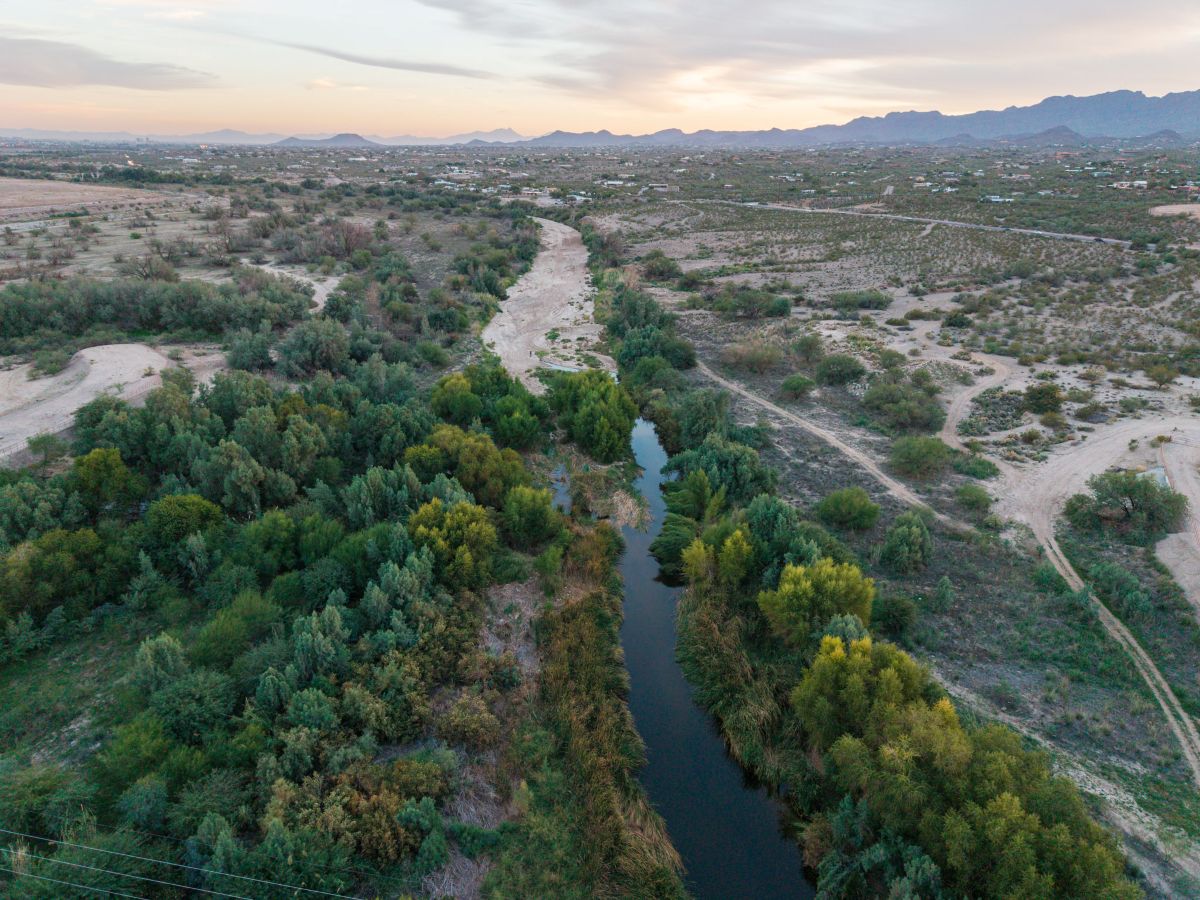
As we look back on the challenges and triumphs of 2025, we're thankful for the support of our community of water stewards and and proud of what we have achieved. Here are our top 10 accomplishments for 2025:
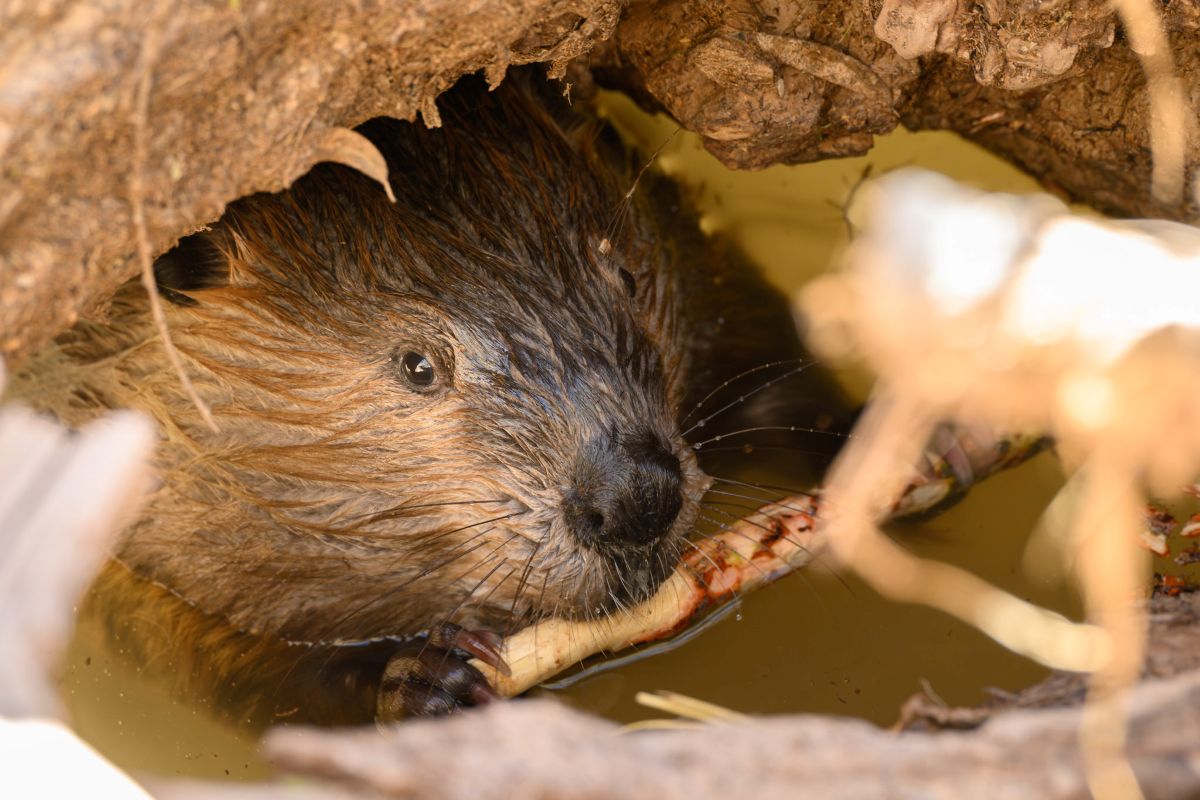
10. Counting beavers! Dams, lodges, chews, tracks, and a live beaver were spotted and recorded by 119 River Run Network volunteers during our 4th annual binational survey. These surveys help us better understand and protect our San Pedro River beaver population and inform our new state-wide beaver working group.
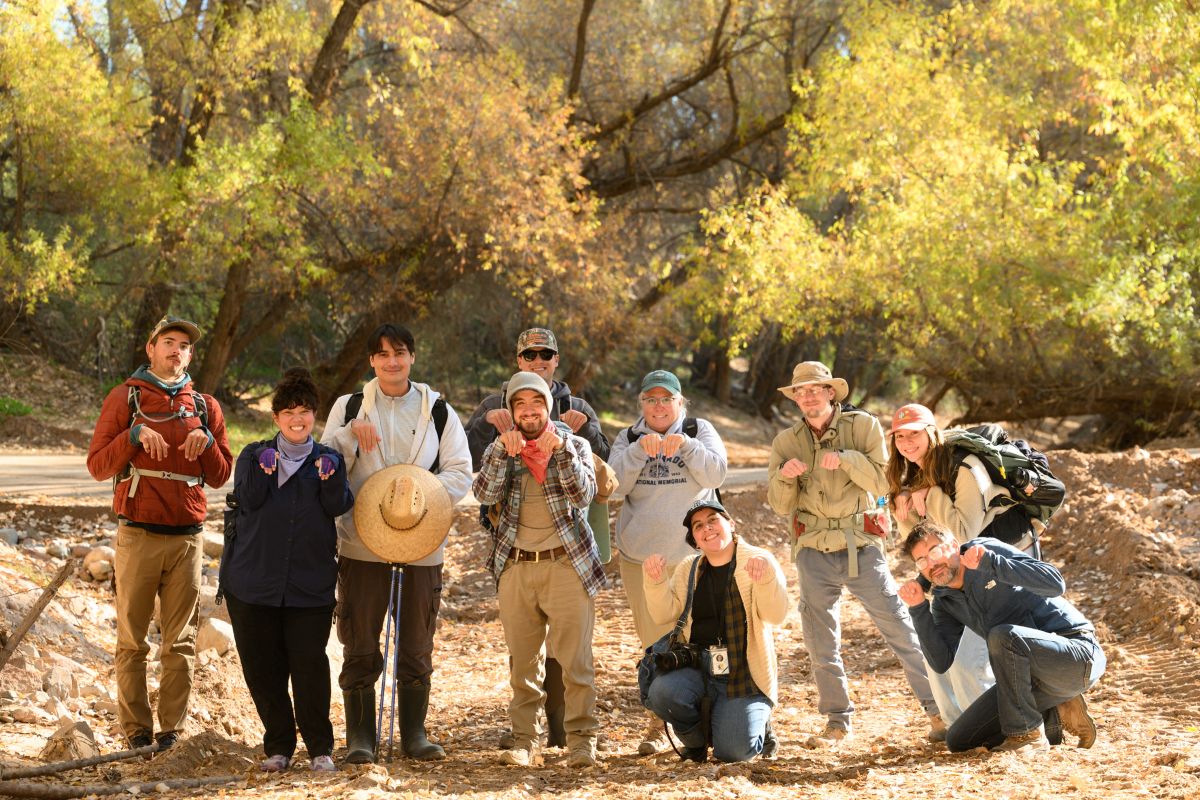
9. Certifying dozens more water harvesting practitioners. Professionals from all over the U.S. and from abroad flock to our one-of-a kind Water Harvesting Certification.

8. Launching our Cool Tucson 5 workshops. Staff and apprentices teach people how to cool their yards by 5 degrees or more, and then we send participants home with Cooling Kits made up of native trees, shrubs, and mulch.
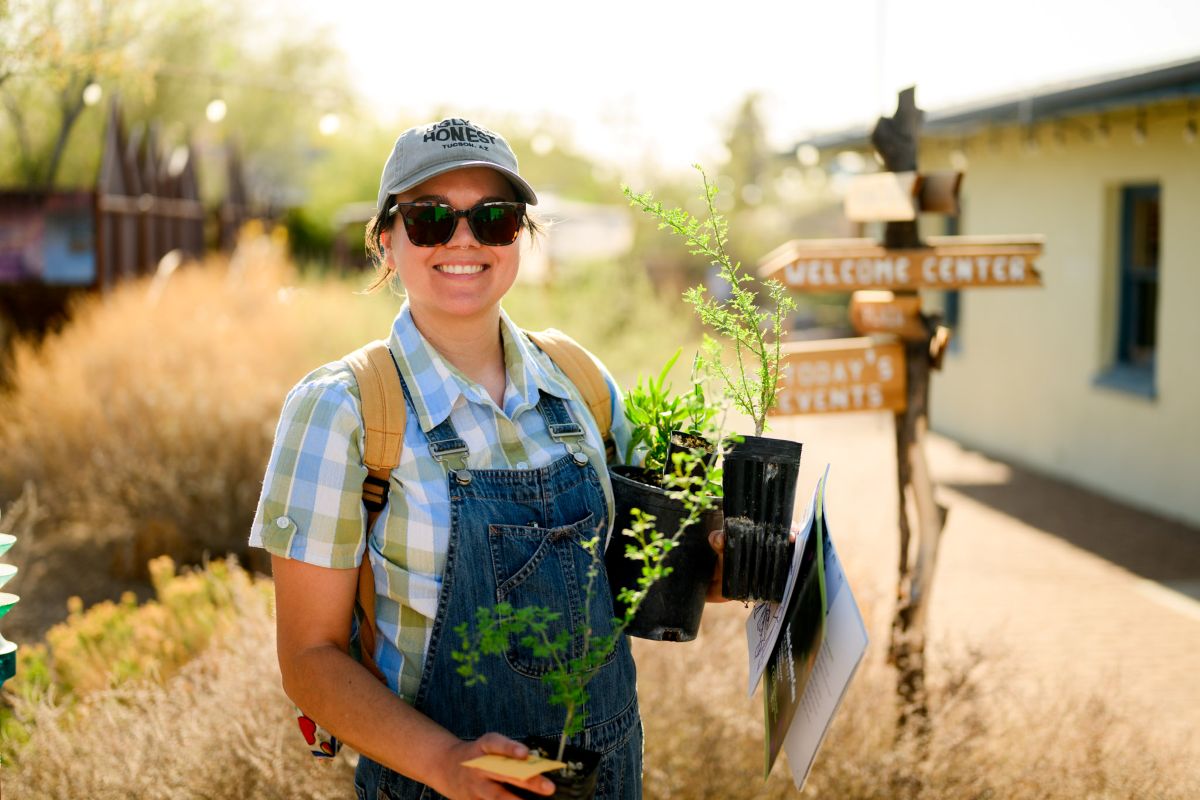
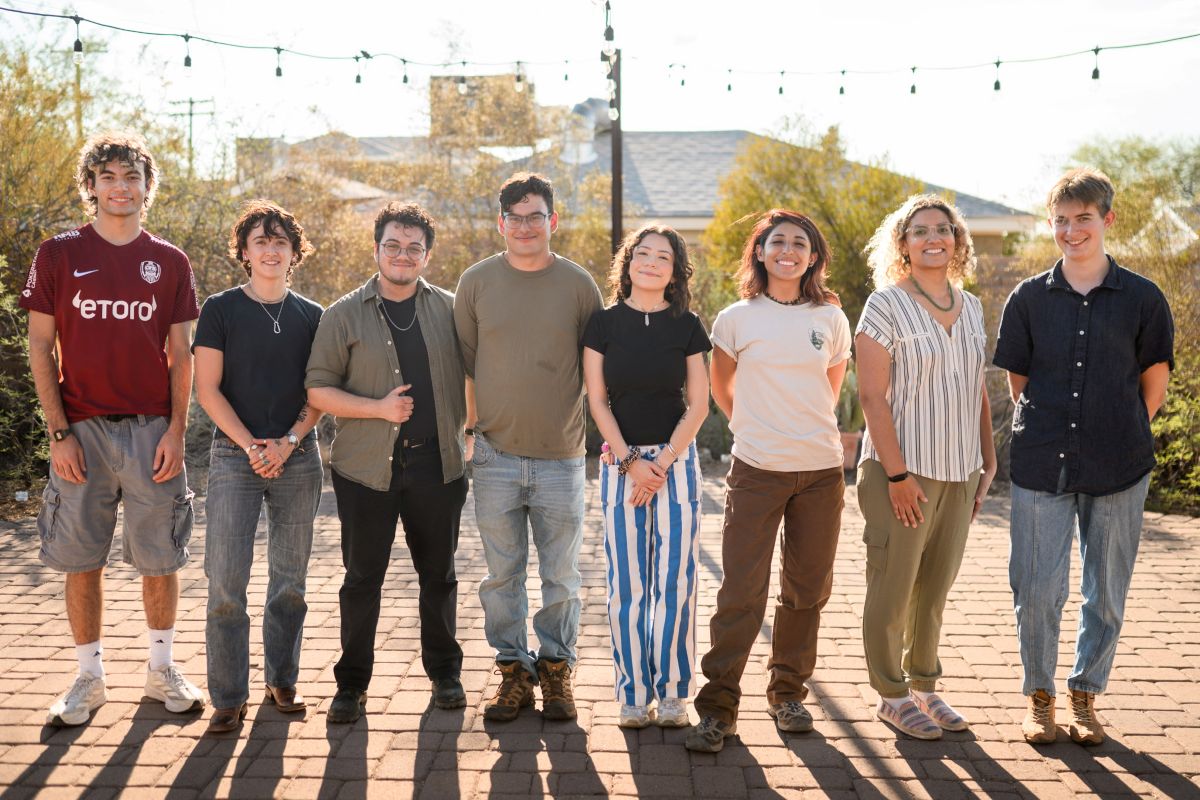
7. Training 7 paid apprentices. Our staff mentor and work alongside apprentices, from river restoration to green infrastructure projects. Our paid apprenticeship program is especially important as opportunities dry up at universities and agencies due to the loss of federal funding.
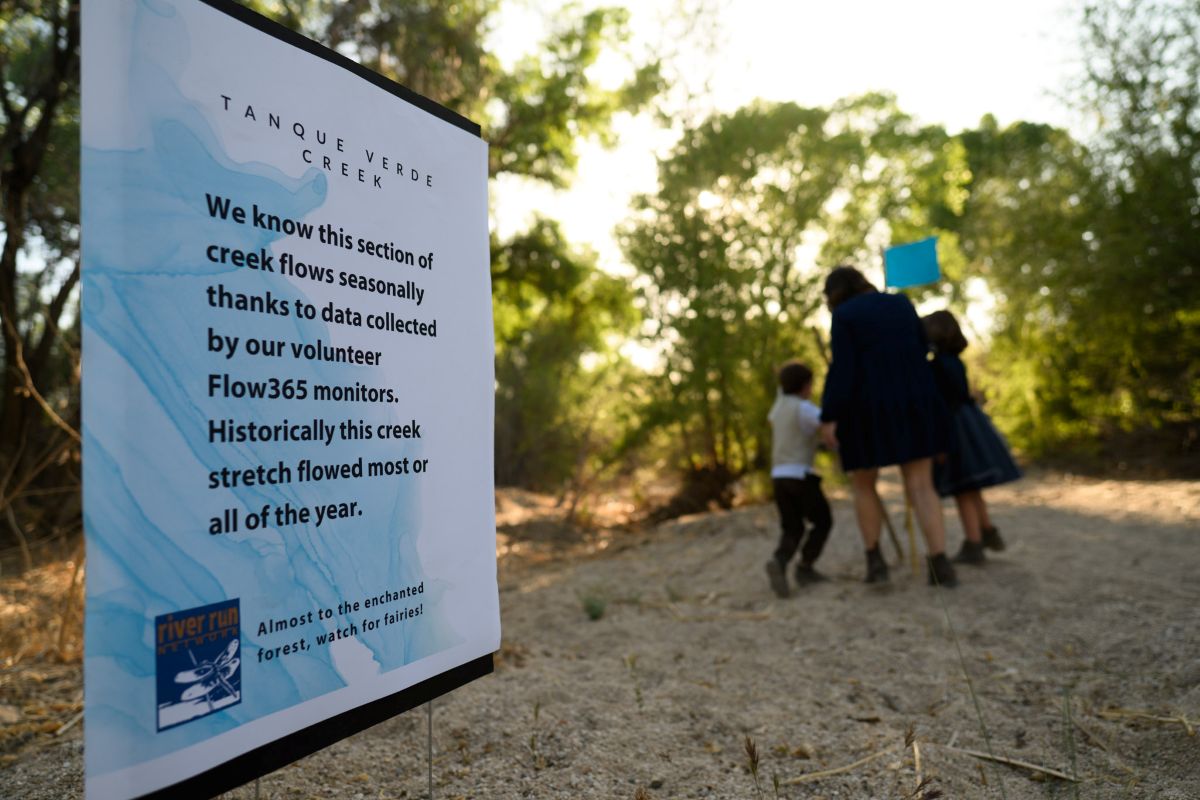
6. Collecting groundwater and river data for policy. We published our 3rd annual Flow365 data report and added five more groundwater monitoring wells, providing data no one else is collecting and informing drought-related communications and advocacy work.
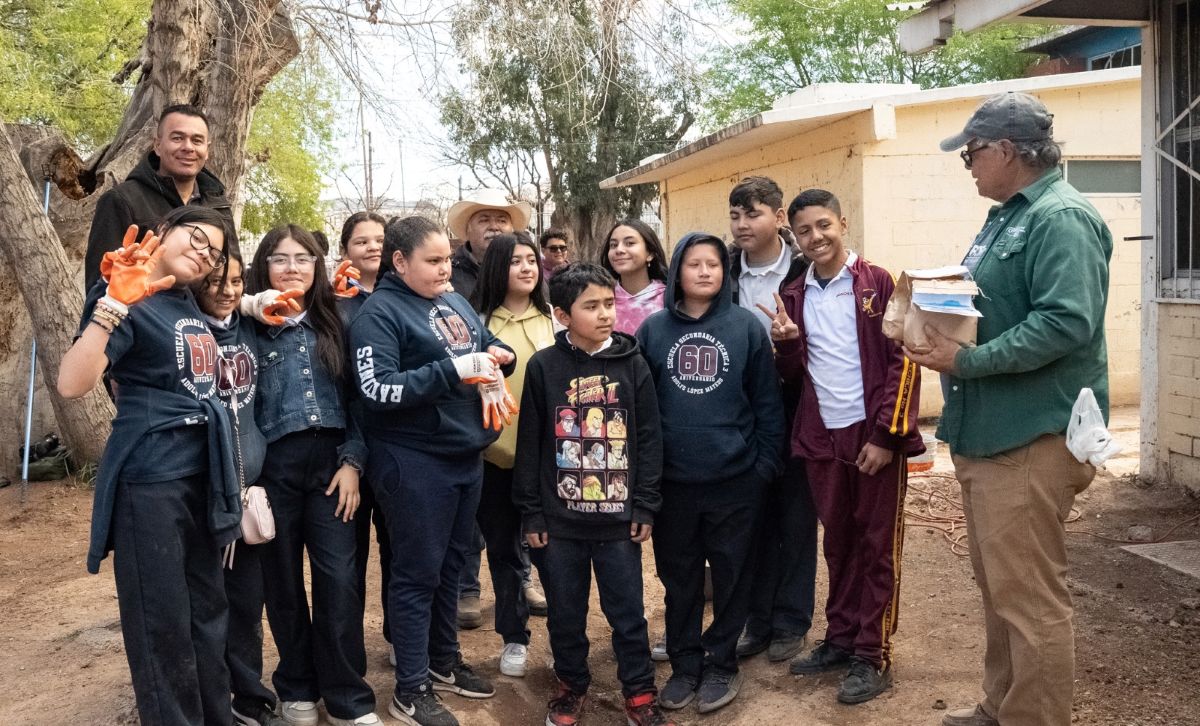
5. Teaching rain garden workshops in Sonora, Mexico. Over 400 K-12 students and 100 church parishioners participated in rain garden workshops in Sonora, Mexico, using floodwater to green their schools and churches.
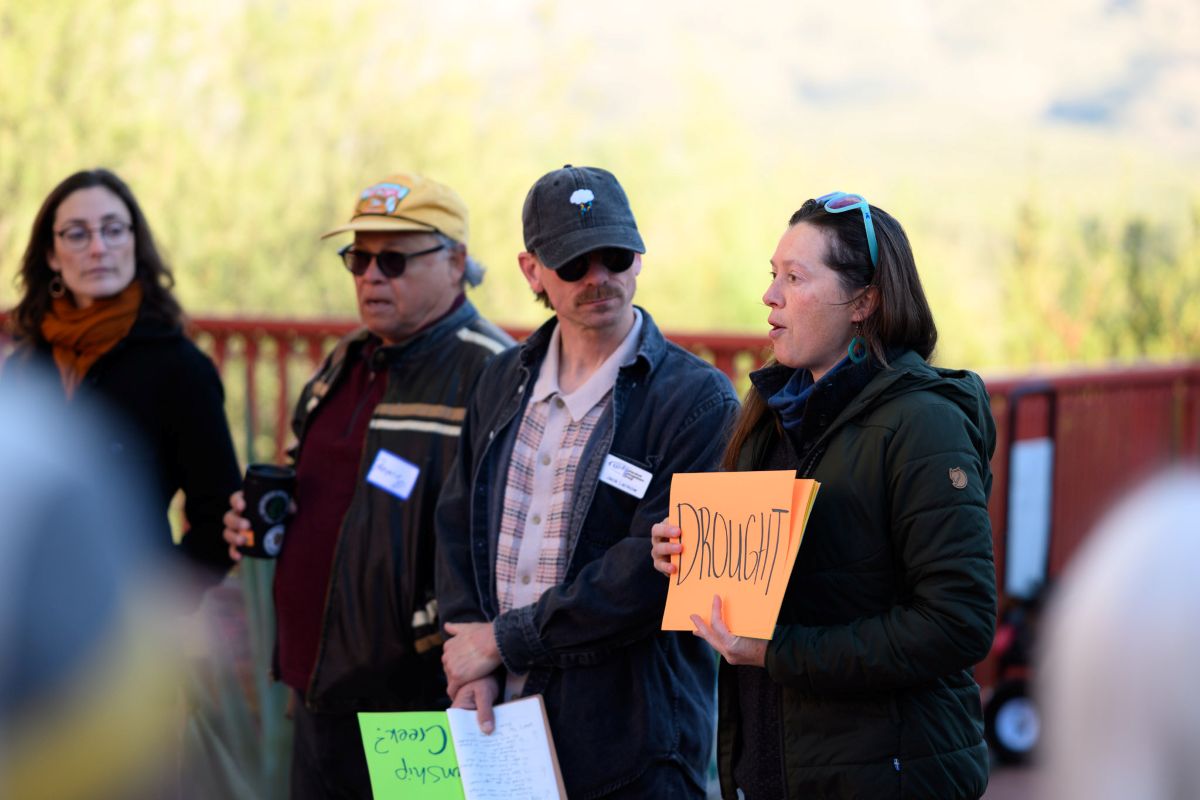
4. Leading local drought response. We are leading a drought response initiative with the Santa Cruz Watershed Collaborative, including establishing local drought triggers, developing communication tools, and coordinating responses across the community and agencies. This work is more critical than ever following this year’s mega-drought and impeding Colorado River water shortages and long-term cuts in water delivery.
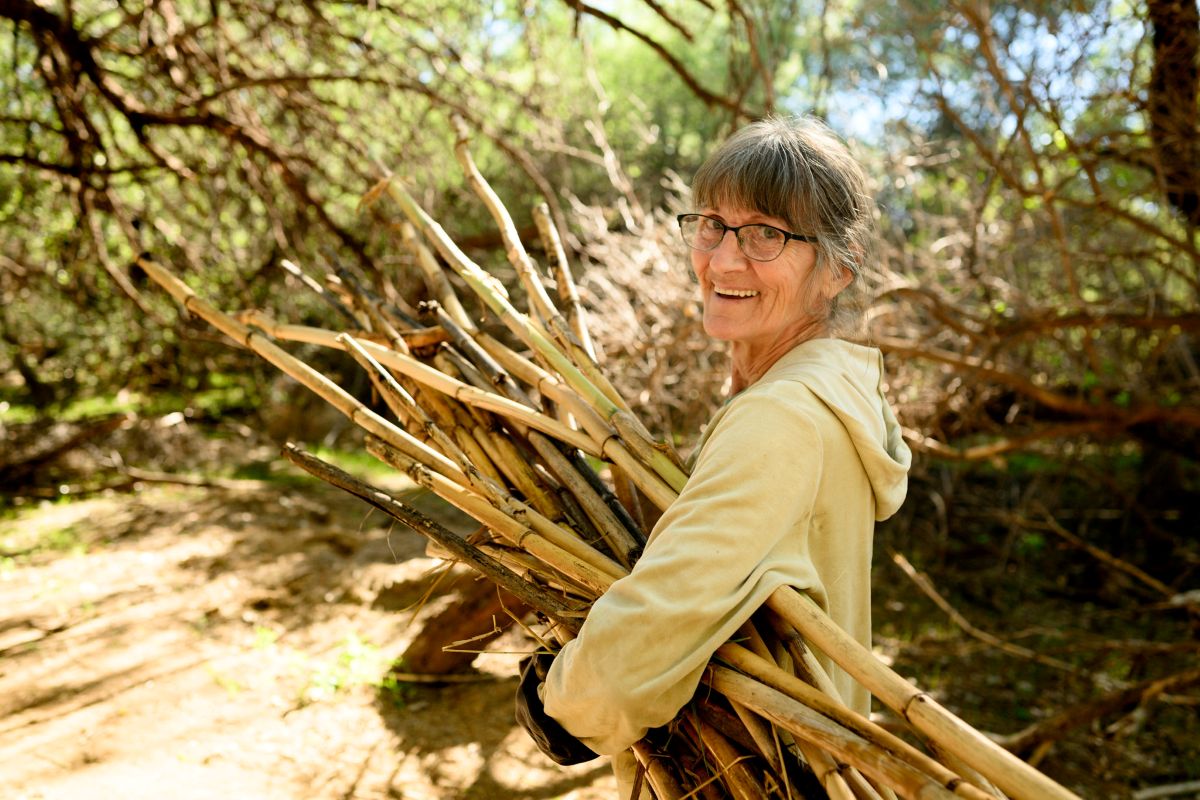
3. Restoring Tanque Verde Creek! Volunteers like our regular Mary are out every Saturday, removing invasive Arundo Donax to allow the riparian forest to return. We’re also removing Arundo and picking up trash from the Rillito River.
2. Inspiring the release of beavers in Ciénega Creek! We led a 6-year advocacy campaign with your help to Release the Beavers, and now the dream has come alive!
And our #1 accomplishment in 2025?
Protecting Tucson from water-guzzling industries like data centers by advocating for hydro-local policies. Our hydro-local vision and watershed education were rallying points for community members to stand up and protect our rivers, groundwater, and forests from the threat of data centers. Our staff continue to advocate for stronger policies through a large water user advisory committee, data center zoning technical advisory committee, as well as Tucson Water and Pima County Wastewater Reclamation advisory committees. We are working to prioritize reclaimed water for river flow and groundwater recharge, like the reclaimed water released in the Santa Cruz River pictured below.